Earbuds for a Mixed Bus-and-Walking Commute
Practical advice for choosing commuter wireless earbuds: the everyday tradeoffs, compatibility checks, and extras worth considering before you buy.
Research-based buying advice, not a hands-on product test. Read our affiliate disclosure. Merchant links below are ordinary, non-affiliate links.
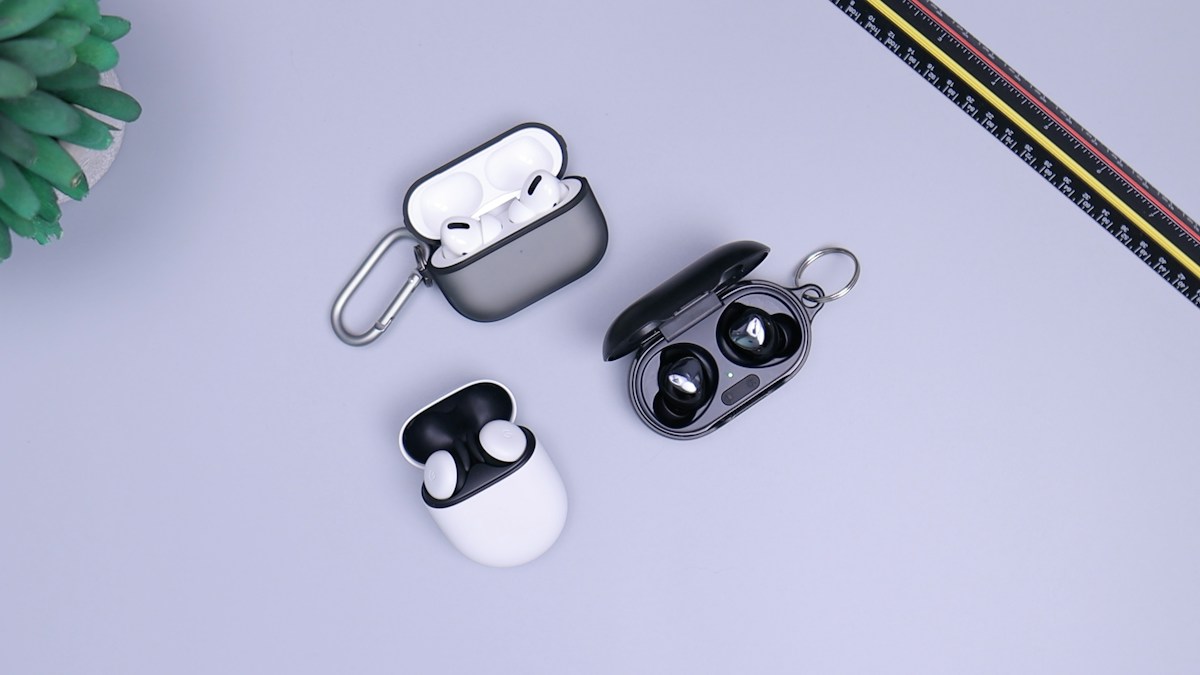
Your route includes a noisy bus, a short walk through traffic, and a quick call before arriving at work.
In this guide
Start with the moment you want to improve
Your route includes a noisy bus, a short walk through traffic, and a quick call before arriving at work. This guide is for someone choosing equipment for that kind of ordinary day, with limited space, attention, and budget.
Audio is particularly dependent on the listener and the room. Fit, background sound, controls, and the way a microphone is positioned can matter more than a premium-looking specification list. Use the listening situation as your starting point, and treat comfort as a personal requirement rather than something a marketing label can promise.
Two sensible ways to buy
The first route is compact wireless earbuds. The alternative is over-ear headphones. Neither is automatically the better purchase: choose according to secure fit, awareness controls, and the microphone in your environment, rather than assuming a longer feature list means a better fit.
Earbuds take little bag space and suit mixed activities. Over-ear headphones can be easier to handle but add bulk and may feel warm during a walk. Put the two options beside your actual routine: what will you connect, where will you use it, and what will you have to remember before it works?
The checks to make before ordering
Check supported phone features, replacement tip options, charging connection, and controls that can be used without opening an app.
For this purchase, secure fit, awareness controls, and the microphone in your environment should appear near the top of your comparison notes. Look at the exact version in the retailer listing and follow through to its manufacturer documentation. Bundles, regional variants, and included accessories can differ. Save the model details so a later support question or replacement order does not depend on remembering a product photograph.
Make it work in your real space
Keep volume conservative and stay aware of traffic; noise-reduction features are not a substitute for looking and listening when crossing roads.
Keep the packaging until you have checked the complete routine. Spend a few minutes on the everyday task you bought it for, using your own devices and normal surroundings. A product that works in a convenient position on the first evening may still be awkward in its permanent place. Assess accessibility, storage, and any extra steps it adds before deciding it belongs in your daily setup.
Where to spend—and when to skip it
Spend on the requirement that solves your specific problem: secure fit, awareness controls, and the microphone in your environment. Optional extras deserve a separate decision. Ask whether you would notice their absence in a normal week and whether you already own something that does the same job. Include any necessary adapter, subscription, replacement part, or mounting accessory when comparing the total purchase.
Skip this upgrade if your current arrangement already handles the scenario comfortably. Also pause if you cannot confirm compatibility or accommodate the setup described above. Buying over-ear headphones simply because it has more features can create more maintenance than value. If your need is occasional, borrowing suitable equipment or trying a simpler arrangement can clarify what you actually require.
A practical buying decision
Choose compact wireless earbuds when its everyday convenience matches the way you will use it. Consider over-ear headphones when the additional flexibility addresses a specific limitation you have already identified. Before checking current offers, write down the three non-negotiable requirements and use them to narrow the listings.
Compare current seller details, included items, delivery terms, and the return conditions that apply to your purchase. This is a scenario-based buying guide, not a claim of hands-on testing or a promise that every product in the category behaves alike. The right choice is the one whose documented capabilities match your situation and whose compromises you are willing to live with.
Before you buy
- Prioritize secure fit, awareness controls, and the microphone in your environment.
- Check supported phone features, replacement tip options, charging connection, and controls that can be used without opening an app.
- Keep volume conservative and stay aware of traffic; noise-reduction features are not a substitute for looking and listening when crossing roads.
- Compare compact wireless earbuds with over-ear headphones for your actual routine.
Ready to compare your options?
Use the checklist above to narrow the choices. Compare the exact model, seller, compatibility, return policy, and current price before buying.
Browse commuter wireless earbuds on Amazon ↗Ordinary merchant search link. No commission is earned from this link. · Prices and availability are set by the retailer.
Editorial method: scenario-led research and purchase criteria. Read our editorial policy. Send a correction.
Keep exploring

Headphones for Calls in a Noisy Shared Flat
Practical advice for choosing headset work calls: the everyday tradeoffs, compatibility checks, and extras worth considering before you buy.
Read the guide →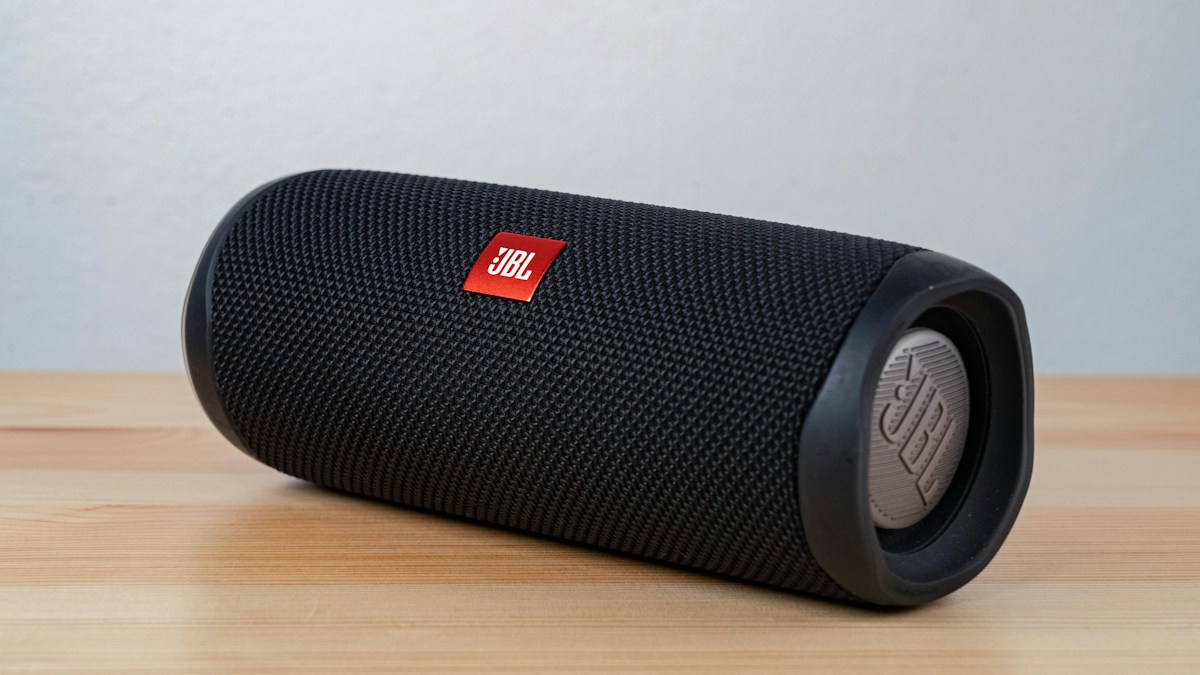
A Small Bluetooth Speaker for the Kitchen
Practical advice for choosing small Bluetooth speaker: the everyday tradeoffs, compatibility checks, and extras worth considering before you buy.
Read the guide →